SUSTAINABILITY
Oertel’s commitment to reducing our environmental impact runs deep and shines through our projects and process. We have in-house expertise on high-performance envelopes, passive building design, and creating healthy, efficient spaces rooted in wellness, conservation, and long-term durability. This sets our baseline, and from this, each project receives a specialized approach to optimize opportunities and performance, including following standards like Passive Building (Phius), LEED, Green Globes, or MN’s B3.

Our firm is a proud signatory to the AIA 2030 Commitment. This sets targets, generates conversation around opportunities, and tracks our progress. Read what it means to be part of the national community of firms that have signed on to the AIA 2030 Commitment:
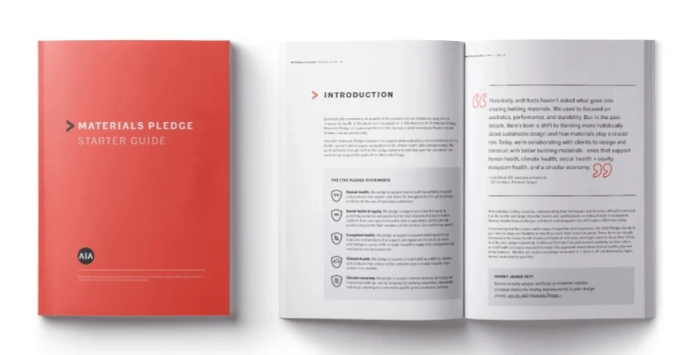
In 2025, we signed on to the AIA Materials Pledge to set the durable, healthy materials we’re known for against a metric and see where we can do better. Read about the Materials Pledge here:
AIA’S FRAMEWORK FOR DESIGN EXCELLENCE
GUIDES OUR WORK

DESIGN FOR INTEGRATION:
Oertel’s team approach leads to good discussions and outcomes that look for opportunities at every decision point. Doing this early allows us to cost-effectively explore solutions that make each project unique.
Project Highlight: Lakewood Cemetery Maintenance Facility

DESIGN FOR WATER:
Reducing site and building potable water consumption with water-efficient climate-appropriate plantings, high-quality low-flow fixtures, and smart plumbing layouts. We work with our engineers to explore possibilities around green roofs, rainwater harvesting, and reuse to further usage and runoff.

DESIGN FOR RESOURCES:
Specializing in working with communities means we’re focused on durable, high-quality, low-maintenance materials suitable for their intended use. We also prioritize regional materials, aiming for a high percentage of locally-sourced components, and reduced waste in manufacturing. Our specifications ask our construction partners to recycle C&D waste, and our design process prioritizes appropriateness and consideration of the future - what happens to this product at its end of life? Thinking in circular rather than linear life cycles helps us support our Materials Pledge goals.
Project Highlight: Landscape Arboretum

DESIGN FOR EQUITABLE COMMUNITIES:
Oertel takes our commitment to community architecture seriously. Engaging with project stakeholders and ensuring those impacted have a seat at the table is part of every project, and we use universal design principles to ensure accessibility for the greatest number of users.
Project Highlight: Palace Theatre
DESIGN FOR ECONOMY:
Our clients’ budgets are our top priority. Pricing and design are updated simultaneously, and we focus programming efforts on building the right amount of square footage. We have the tools to help our partners make smart decisions about where to put their dollars, and real-world numbers inform the value engineering process on recent and comparable projects.
Project Highlight: Moore Lake Park
DESIGN FOR ENERGY:
Oertel’s approach acknowledges the disproportionate impact buildings have on producing greenhouse gas emissions. We look for opportunities tor reduce Energy Use Intensity (EUI) first through an efficient envelope, aiming for low-load buildings with excellent thermal comfort and reduced operations cost. Once loads are reduced, mechanical systems can be smaller and more efficient, and renewable energy production becomes more affordable. Ask our in-house experts about energy modeling and creating a Certified Passive Building (Phius) - a building-science approach to dramatically reducing energy use, especially exciting for buildings with long lifespans like those we work on - to see if it’s right for your project.
Project Highlight: MnDOT Clearwater Truck Station


DESIGN FOR CHANGE:
Working with teams to plan for the future is an important part of working on municipal buildings. We aim to be responsible stewards of public dollars. Modular, panelized, and removable walls are part of many of our public projects, like wellhouses and water treatment plants, where large equipment will eventually need to be replaced. Working with Cities on what growth looks like, we plan for today with an eye on the future.
Project Highlight: Ramsey Water Treatment Facility
DESIGN FOR ECOSYSTEMS:
Our goal is to create highly functional, beautiful, low-maintenance buildings and sites that are climate-appropriate. Thoughtful plant selections and designs that create pollinator habitat, prioritizing appropriate soil corrections, designing for bird safety, and carefully siting the building guide our work.
Project Highlight: White Earth Nation Joint Forestry & Wildland Fire Facility


DESIGN FOR WELL-BEING:
Spaces that are flooded with daylight, acoustically comfortable, and properly ventilated directly impact the health and wellness of people who spend time in a building. Our designs and specifications prioritize low-emitting materials with appropriate service lives that enhance the experience of being indoors.
Project Highlight: Apple Valley Police Department
DESIGN FOR DISCOVERY:
We’re energetically creating buildings and sites that delight and inspire. Rooted deeply in community, we know doing this well leads to public buildings that people will take pride in and care of for generations.
Project Highlight: The Ledge Amphitheater